Checking Out the Rich Culinary Tradition of Western Australian Food: A Trip Via Tastes
Western Australian food shows a distinct blend of societies and ingredients. Indigenous parts like bush tomatoes and lemon myrtle play a crucial role. The area's distance to the Indian Sea assures a constant supply of fresh seafood. Yorgo Kattan. Additionally, ingenious chefs are reinterpreting typical recipes. This cooking landscape is additionally shaped by regional farms and food festivals. As the exploration proceeds, one might wonder just how these components link to develop an unique gastronomic identity
The Impact of Aboriginal Active Ingredients
As Australian cuisine advances, the impact of Indigenous active ingredients has actually ended up being progressively prominent. Western Australian cooks are embracing typical native foods, such as bush tomatoes, wattleseed, and quandongs, incorporating them right into modern recipes. This culinary change not just honors the rich heritage of Native cultures but likewise highlights the unique flavors and nutritional advantages of these components. The usage of indigenous herbs like saltbush and lemon myrtle adds unique tastes to both full-flavored and sweet meals, while advertising sustainability. Furthermore, Native food preparation methods, such as bush tucker foraging, are acquiring acknowledgment, fostering a deeper link between food and the land. This growing recognition for Aboriginal active ingredients enriches Western Australian cuisine and reflects a wider motion in the direction of social regard and ecological awareness.
Fresh Seafood From the Indian Ocean
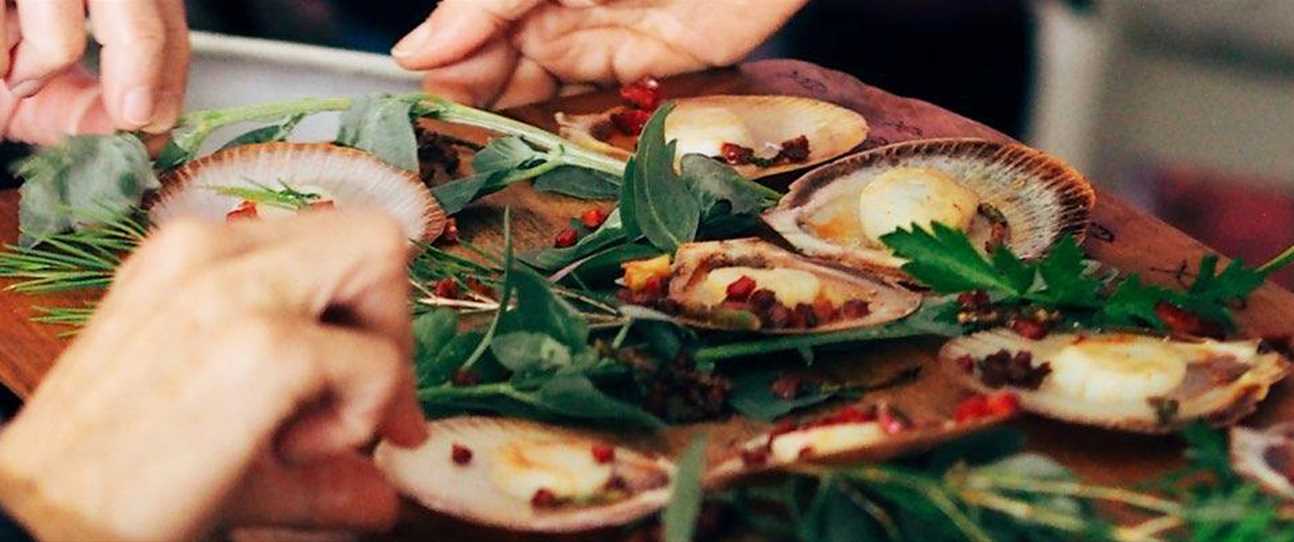
Building on the rich tapestry of Western Australian cuisine, fresh seafood from the Indian Sea plays a crucial duty in crafting special culinary experiences. The ocean's bounty includes a range of varieties such as barramundi, snapper, and king prawns, commemorated for their remarkable flavors and quality. Regional cooks display these components in various recipes, typically highlighting their quality through easy preparation approaches that permit the fish and shellfish to shine. In addition, the dynamic fishing neighborhoods along the coast warranty that the catch is typically sourced sustainably, reflecting a dedication to both top quality and ecological stewardship. This emphasis on fresh, local fish and shellfish not just enhances the region's culinary landscape however likewise cultivates a deep link between the land, sea, and its individuals.
The Bounty of the Swan Valley
The Swan Valley is renowned for its rich farming bounty, highlighted by a diverse option of regional wine selections. This region also flaunts a dynamic area of artisan food producers, using premium and one-of-a-kind items. With each other, these aspects produce a cooking landscape that reflects the location's bountiful resources and innovative spirit.
Regional Red Wine Selections
Snuggled just a brief drive from Perth, the Swan Valley stands as a tribute to Western Australia's abundant viticultural heritage. This region is renowned for its diverse variety of local red wine selections, which thrive in the productive dirts and favorable environment. Secret varietals consist of lush Semillon and aromatic Chenin Blanc, both celebrated for their clarity and dynamic tastes. The valley also creates robust Cabernet Sauvignon and elegant Shiraz, showcasing the distinct terroir of the location. Red wine fanatics often go to local vineyards for samplings, enjoying the splendid blends crafted by knowledgeable vintners. With a dedication to sustainable techniques, the Swan Valley continues to develop, drawing in both lovers and laid-back enthusiasts keen to discover its outstanding offerings worldwide of wine.
Artisan Food Producers
As site visitors discover the Swan Valley, they are usually captivated by the region's prospering artisan food manufacturers, that craft a diverse range of exquisite products. The valley is home to countless small farms and workshops, where enthusiastic artisans create everything from handmade cheeses to artisanal chocolates. Local manufacturers emphasize high quality and sustainability, sourcing active ingredients from the surrounding land to assure freshness and taste. Visitors can delight in olive oils, protects, and exquisite sauces, each reflecting the special terroir of the region. Routine farmers' markets and tasting occasions permit visitors to engage straight with manufacturers, fostering a sense of community and appreciation for neighborhood craftsmanship. This cooking bounty not just enhances the valley's gastronomy but also showcases Western Australia's rich agricultural heritage.
Culinary Combination: A Fusion of Cultures
Cooking combination in Western Australia exemplifies the blending of varied cultural influences, where Native ingredients and strategies satisfy the flavors presented by immigrant areas. This abundant tapestry of culinary techniques has actually provided increase to contemporary combination food fads that commemorate both tradition and technology. As cooks try out these components, they develop recipes that show the state's special modern identity.
Native Components and Techniques
While the abundant culinary practices next page of Western Australia show a varied cultural heritage, Aboriginal components and strategies stick out as crucial elements in this fusion. Indigenous communities have lengthy counted on native plants and pets, such as bush tomatoes, finger limes, and kangaroo, which are important to their cooking methods. These ingredients not only provide special tastes yet likewise personify respect for the land and sustainability. Typical cooking techniques, such as food preparation in earth stoves or making use of smoke, improve the tastes of these ingredients while protecting social significance. By integrating these Native elements into contemporary food, cooks commemorate the deep connections in between food, culture, and environment, developing a distinct Western Australian culinary identity that honors its past while accepting innovation.
Impact of Immigrant Societies
Immigrant societies have greatly shaped the culinary landscape of Western Australia, enriching it with diverse flavors and techniques. As waves of migrants got here, they brought with them traditional recipes and cooking techniques that came together with neighborhood ingredients. The impact of Italian, Chinese, Indian, and Greek communities is particularly noteworthy, as they introduced new flavors and cooking styles that have ended up being important to the region's food identity. The usage of fresh fish and shellfish in pasta recipes reflects Italian impact, while the unification of seasonings in curries showcases Indian cooking customs. This fusion has developed special dishes that celebrate both heritage and development, making Western Australian cuisine a vivid tapestry of international impacts, rooted in its multicultural past.
Modern Fusion Food Trends
An expanding fad in Western Australia's food scene is the appearance of modern-day combination cuisine, which artistically blends diverse culinary practices to create innovative dishes. Cooks in the region trying out active ingredients and methods from numerous cultures, crafting unique cooking experiences that reflect the state's multicultural heritage. As an example, Eastern flavors could be integrated with indigenous Australian active ingredients, leading to recipes that resonate with both regional and international tastes. This blend method not just enhances the dining experience however additionally promotes a feeling of area as it showcases the abundant tapestry of cultures that affect Western Australian food. As diners progressively look for daring flavors, contemporary combination food continues to grow, establishing itself as a trademark of modern cooking artistry in the region.
Innovative Chefs and Their Trademark Dishes
As Western Australia accepts its rich culinary heritage, cutting-edge cooks are redefining the eating experience with their signature recipes. These cooking musicians blend typical techniques with contemporary style, producing dishes that reflect the region's diverse flavors. Chefs like Amy Hamilton, understood for her daring tackles seafood, usage neighborhood active ingredients to craft recipes that celebrate the sea's bounty. On The Other Hand, David Coomer combines native tastes with contemporary food preparation techniques, generating an one-of-a-kind blend that captivates restaurants. Another increasing star, Sarah Tiong, showcases her roots by incorporating Asian impacts into classic Australian price, causing lively, split tastes. With their imagination, these chefs are not only boosting Western Australian food however likewise enhancing its visibility on the global cooking phase.
Farm-to-Table: Accepting Regional Create
How does the farm-to-table activity form the eating landscape in Western Australia? This technique highlights the value of sourcing components straight from regional farms, enhancing the connection between manufacturers and customers. Several dining establishments have actually adopted this approach, showcasing seasonal create that shows the area's one-of-a-kind environment and biodiversity. By prioritizing fresh, locally-grown ingredients, cooks can produce recipes that commemorate Western Australia's rich farming heritage. This motion not just sustains local economies however also minimizes the carbon footprint related to food transportation. Diners are significantly drawn to the transparency and authenticity of farm-to-table dining, promoting a deeper gratitude for the tastes and tales behind their meals. Overall, this pattern enriches the cooking experience while promoting lasting methods within the food market.
Commemorating Food Festivals and Events in WA
Western Australia flaunts a vibrant selection of food celebrations and occasions that commemorate its diverse culinary landscape. These events showcase regional fruit and vegetables, innovative chefs, and typical recipes, attracting food lovers from far and wide. Events such as the Margaret River Premium Retreat feature distinguished chefs and food manufacturers, using a preference of the region's finest. The Perth Food Event highlights multicultural cuisines, permitting attendees to check out numerous tastes and cooking styles. In addition, regional festivals, like the Great Southern Food Celebration, highlight the relevance of local ingredients and sustainability. With these events, Western Australia not just advertises its abundant culinary heritage but additionally promotes neighborhood connections and gratitude for the art of food preparation, making it a gastronomic destination worth exploring.
Frequently Asked Questions
What Are Some Standard Dishes Unique to Western Australia?
Traditional dishes distinct to Western Australia include barramundi, kangaroo steak, damper bread, and native bush tucker such as quandong and great post to read wattleseed. These flavors reflect the area's varied cultural influences and natural sources.
How Can I Find Local Food Markets in WA?
To locate neighborhood grocery store in Western Australia, one can browse online for neighborhood listings, check social Get More Info networks pages, or seek advice from neighborhood tourism websites that offer upgraded details on market locations and operating hours.
What Role Does Wine Play in Western Australian Cuisine?
A glass of wine plays a significant duty in Western Australian food, boosting meals with its diverse flavors. The area's wineries generate high-grade wines that match perfectly with regional ingredients, boosting the overall eating experience for both homeowners and visitors.
Are There Vegetarian Options in Western Australian Cuisine?
Yes, Western Australian cuisine offers a range of vegetarian choices, showcasing regional fruit and vegetables. Yorgo Kattan. Recipes frequently include fresh vegetables, grains, and beans, showing the area's agricultural variety and dedication to sustainable, plant-based cooking practices
Exactly How Has Tourist Impacted the Food Scene in Western Australia?
Culinary blend in Western Australia exemplifies the blending of varied cultural influences, where Indigenous components and methods satisfy the flavors presented by immigrant areas. While the rich culinary customs of Western Australia mirror a varied cultural heritage, Indigenous components and strategies stand out as important components in this blend. A growing trend in Western Australia's food scene is the introduction of modern-day combination food, which artistically mixes varied culinary customs to generate cutting-edge dishes. Western Australia boasts a dynamic variety of food events and occasions that commemorate its varied cooking landscape. Tourism has substantially enriched Western Australia's food scene, introducing diverse culinary influences and encouraging neighborhood cooks to introduce.